When summer rolls around, it’s time to jump into fun, with the little ones, of course. Baby swim gear isn’t just a necessity: it’s a stylish way to ensure that toddlers are set for their first splashes in the pool or at the beach. Think cute floaties and vibrant swim diapers that not only look adorable but keep safety in mind. So, whether your little fish is splashing around or learning to float, having the right gear can turn water play into an unforgettable bonding experience for parent and baby alike. Let’s plunge into the essentials you absolutely need to make this summer safe and splendid.
Understanding the Importance of Baby Swim Gear
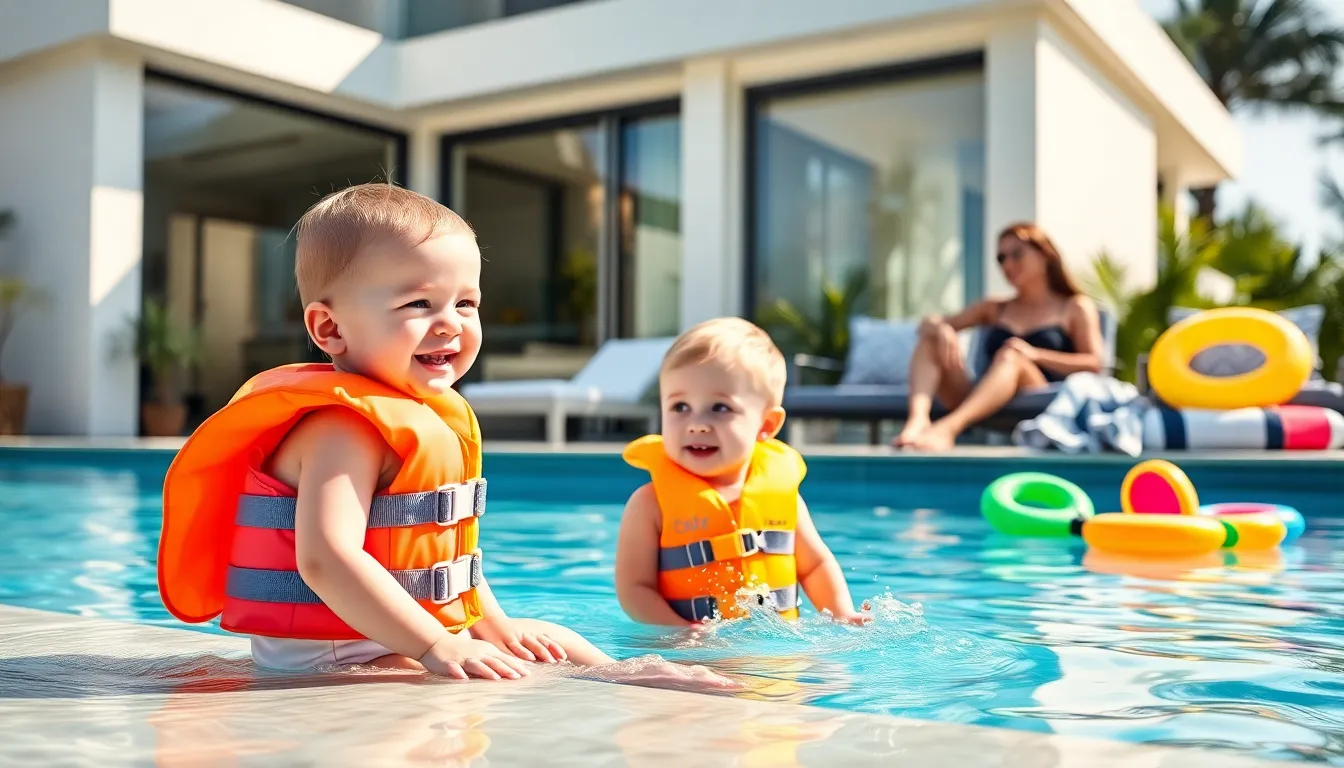
Choosing the appropriate baby swim gear isn’t just about making a fashion statement, although those tiny swimsuits are irresistibly cute. It’s about safety, comfort, and fostering a love for water from an early age. Babies are naturally drawn to water, but they also lack the ability to float or swim. Hence, the right gear provides them with a sense of security while allowing playful exploration. According to the American Academy of Pediatrics, using swim gear can help prevent accidents, making it essential for caregivers to prioritize quality and safety. A well-fitted life jacket, for instance, keeps the baby afloat while they splash around, ensuring moms and dads can relax a bit more while watching their little ones enjoy the water.
Essential Swim Gear for Babies
Here’s a list of must-have swim gear ideal for babies ready to take that big splash:
- Swim Diapers: An absolute essential. Regular diapers don’t hold up in water and can become quite heavy. Swim diapers, available in disposable and reusable options, keep leaks in check and are designed to be snug-fitting.
- Rash Guards: Protect delicate skin from the sun and possible scrapes. Rash guards provide UV protection, making them a favorite for sunny outings.
- Baby Floaties: These come in various styles, from inflatable rings to padded floats. Floaties offer safety by helping keep little ones buoyant while they play.
- Life Jackets: Opt for U.S. Coast Guard-approved life jackets. They are designed specifically for babies and toddlers, fitting snugly and keeping their heads above water.
- Swim Caps: For those pools that require hair containment, or for just looking stylish, swim caps can prevent hair from becoming a tangled mess.
Safety Considerations When Choosing Baby Swim Gear
When it comes to baby swim gear, one must never skimp on safety. Here are crucial factors to consider:
- Fit and Comfort: Ensure all gear fits well without being overly tight. A secure fit is vital, especially for life jackets and floaties, as loose equipment can slip off when it’s needed the most.
- Material: Choose gear made from soft, breathable materials which won’t irritate sensitive baby skin. Look for UV-protective fabrics in swimwear.
- Age and Weight Ratings: Always check manufacturer recommendations on swim gear. Age and weight limits ensure maximum safety: using a device meant for a heavier toddler on a delicate infant could lead to tragic outcomes.
- Durability: Water can be tough on fabrics and materials. Ensure that swim gear can hold up to chlorine, salt, and rough play.
Types of Baby Swim Gear
Navigating the vast sea of baby swim gear can be daunting. Here’s a breakdown of various types:
Inflatable Swim Gear
Perfect for introducing babies to the water, inflatable swim gear includes rings, armbands, and floaties. They are easy to pack, making them travel-friendly. But, they require constant supervision, as there’s always a risk of deflation.
Safety Swim Gear
This category includes products like life jackets, which are approved by safety standards. Designed to keep babies safe in both pools and open water, they provide peace of mind while your baby learns to love the waves.
Swim Clothes
Swimwear for babies ranges from cute swimsuits to leggings. Consider UV-protective swimwear that covers arms and legs. Fabrics designed for durability help ensure the wear lasts through multiple summers.
Tips for Introducing Your Baby to Water
Transitioning a baby into water for the first time should be a delightful experience. Here are some tips to make the splash less overwhelming:
- Start Slow: Begin with shallow areas where the water is calm. Allow the baby to sit in it, feel it splashing on them, and practice kicking their legs.
- Use Positive Reinforcement: Encourage playfulness. Clap when they splash around or make funny faces. This builds their confidence and comfort in the water.
- Short Sessions: Initially, keep water play sessions brief. As the baby becomes accustomed to the feel of water, gradually increase time.
- Avoid Crowded Areas: Choose less busy times to visit pools or beaches. A calm environment helps babies feel more secure and less anxious.
Caring for and Maintaining Baby Swim Gear
Maintaining baby swim gear is vital for longevity and hygiene. Here’s how to keep gear in prime condition:
- Rinse After Each Use: Always rinse off swim gear with fresh water after use. This removes chlorine or salt that can degrade materials.
- Dry Thoroughly: After rinsing, allow gear to air-dry fully. Storing wet gear can lead to mold and mildew, which is unhealthy for your little one.
- Store Properly: Keep swim equipment in a cool, dry place away from direct sunlight. This prevents fading and damage caused by prolonged exposure to UV rays.