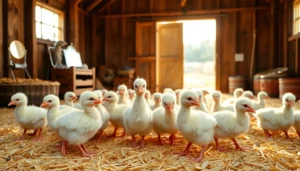
Ever wondered what it takes to raise those adorable little turkey babies? Let’s face it, they’re not just the cute fluff balls you see waddling around on the farm. From their charming personalities to their surprisingly complex needs, turkey babies are fascinating creatures. Get ready to jump into the delightful world of these pint-sized avians, where we will explore their development stages, how to care for them, and even the joys of having them as pets. Trust us, by the end of this article, you’ll be ready to start your own turkey nursery.
What Are Turkey Babies?
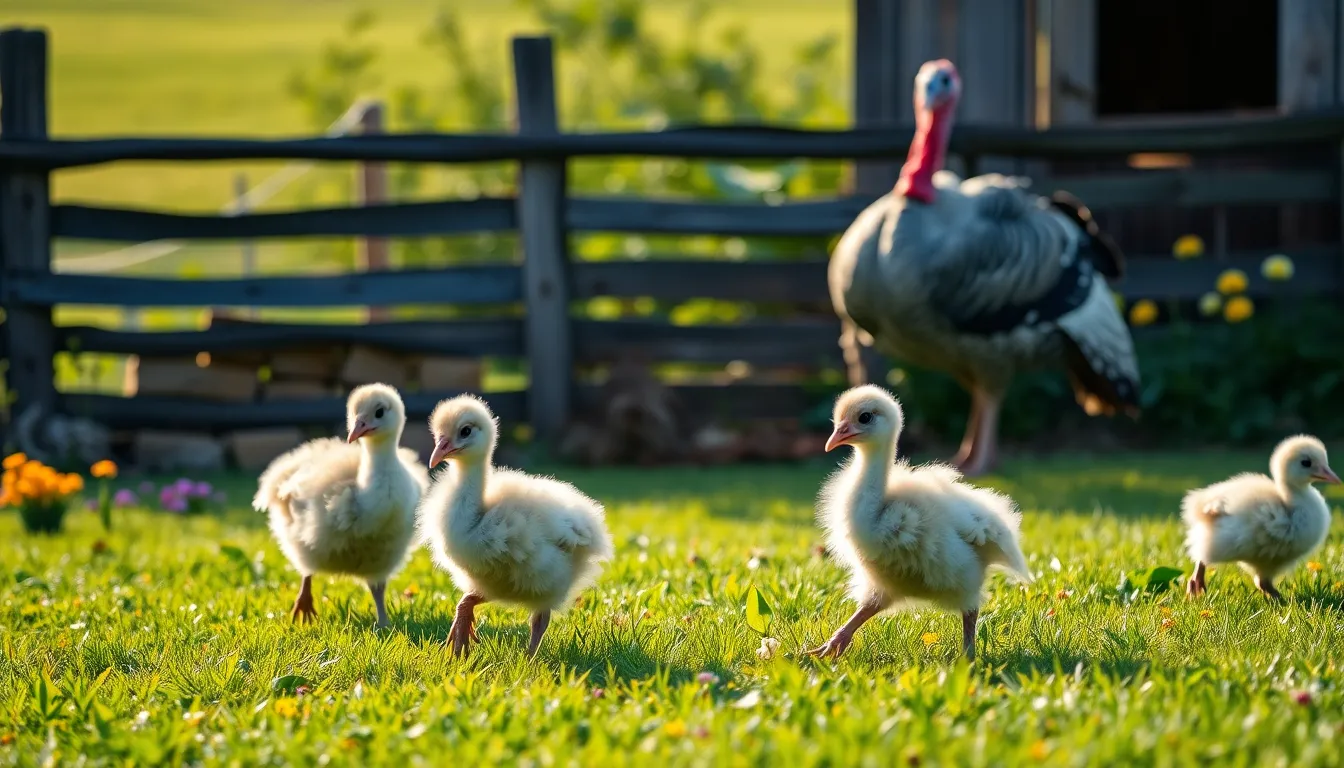
Turkey babies, often referred to as poults, are the young offspring of turkeys. They hatch from eggs after a 28-day incubation period. Noticeably fluffy and fragile, these little creatures are born with a remarkable set of instincts. Even though their vulnerability, turkey babies are already equipped to start exploring their surroundings with curiosity. Generally, these young birds are covered in soft down feathers and are particularly easy to identify due to their unique color patterns, which can vary among breeds.
Interestingly, turkey babies are precocial, meaning they can walk and forage shortly after hatching while still depending on their mother for warmth and protection. They’re more independent than chicken chicks and make for quite engaging pets if cared for properly.
Life Cycle of Turkey Babies
The life cycle of turkey babies is both fascinating and rapid. Once they hatch, the first week is crucial for their development. During this time, they require a warm environment, as they are still unable to regulate their body temperature. Initially, turkey babies eat starter feed, which is high in protein to support their growth.
As they reach the two-week mark, they begin developing feathers, helping them fend for themselves. By three weeks, they are increasingly adventurous, testing their wings and exploring further from the nesting area.
Some crucial milestones include:
- Week 1: Focus on warmth and hydration: ensure they have a heat source.
- Week 2: Introduction of socialization within a small group.
- Week 3: Increased exploration and the establishment of pecking order.
- Week 4: The start of feather development and reduced dependence on heat sources.
By the time they hit the two-month mark, they are ready to transition into adolescence, sporting a mix of juvenile and adult plumage.
Nurturing Turkey Babies
Nurturing turkey babies is an art as much as it is a science. Begin their journey by ensuring a cozy, clean space. The bedding for their brooder should be soft and absorbent, think pine shavings or straw. This keeps them dry and comfortable.
Physical care involves regular monitoring of their activity levels. If they’re huddled together, it could be too cold: if they’re spread out, they may need heat reduction. It’s all about finding the right balance to promote happy, healthy chicks.
Engage your turkey babies by providing them with safe toys and interactive experiences. Small mirrors offer a chance for them to explore and learn about their reflections. Activities like foraging for treats can stimulate their natural instincts and keep them active.
Feeding Guidelines for Turkey Babies
Feeding guidelines play a vital role in the successful raising of turkey babies. To ensure their growth and development, they should start on a high-protein starter feed, ideally containing 28% protein. This helps to build strong muscles and supports feather development.
As they grow, gradually introduce whole grains and greens into their diet. Healthy treats like chopped fruits and veggies not only provide essential vitamins but also keep meals interesting for your poults. Ensure they have clean, fresh water available at all times: staying hydrated is key to their well-being.
Monitor their feeding habits closely. They are naturally curious and will often try to eat anything, so keeping potentially harmful food items away is crucial. A well-balanced diet is essential for healthy, robust turkey babies.
Common Health Issues in Turkey Babies
While turkey babies can thrive under proper care, they are not without their health concerns. Common health issues include:
- Coccidiosis: A parasitic disease that can cause diarrhea and lethargy.
- Respiratory Problems: Often due to overcrowded living conditions or poor ventilation.
- Leg Problems: Overweight or rapidly growing birds may experience leg deformities.
Regular health checks can help catch these issues early. Observe their behavior for signs of distress, such as lethargy or unusual vocalization. Keeping a clean environment and managing their diet can significantly reduce the risk of illness.
Benefits of Raising Turkey Babies
Raising turkey babies brings a host of benefits. First and foremost, they are incredibly rewarding to care for. Watching these little creatures grow and develop their unique personalities can be a joy. Also, turkey raising supports sustainable living.
Homegrown turkeys offer a delicious, healthy alternative to store-bought meat, and they often have better welfare outcomes. Turkeys can also be a great source of fertilizer for gardens, converting kitchen scraps into nutrient-rich compost. Plus, they can serve as eclectic pets, bringing character and charm to any homestead or backyard.