Have you ever wondered when bobcats, those elusive wild cats that roam North America, bring their adorable kittens into the world? Picture this: a mother bobcat prowling through the woods, searching for the perfect den to welcome her furry offspring. What a sight that must be. In this text, we’ll jump into the fascinating reproductive patterns of bobcats, from their mating habits to the challenges they face during motherhood. Buckle up for a wild ride as we unravel the secrets of these captivating creatures.
Understanding Bobcat Reproductive Patterns
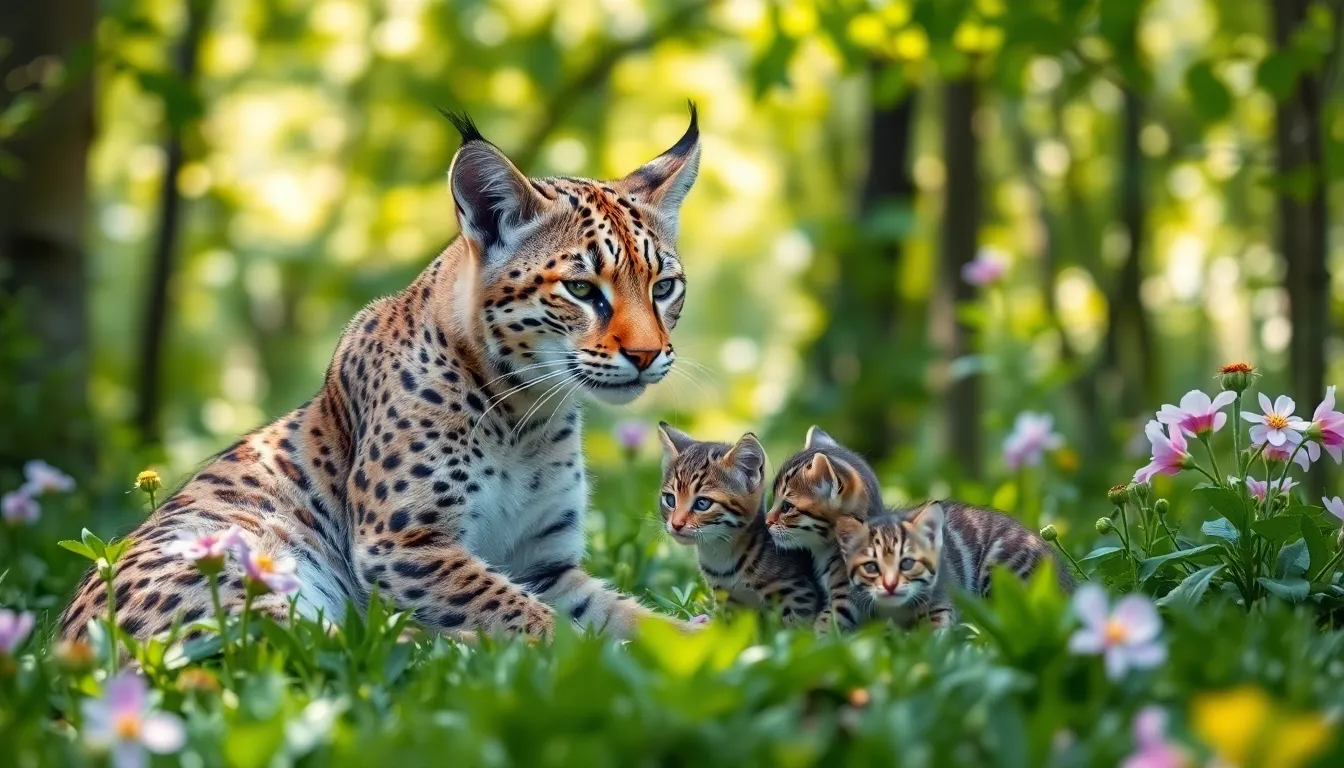
Bobcats, known for their spotted coats and tufted ears, have a unique reproductive cycle that aligns closely with the seasons. These fascinating felines generally breed from late winter to early spring, specifically between February and March. This timing is no mere coincidence: it ensures that the kittens are born in spring, coinciding with an abundance of food resources in their habitats.
Mating Season and Behavior
During mating season, bobcats engage in some intriguing behaviors. Males will roam extensively, marking their territory with scent and searching for females in estrus. It’s quite a competitive scene. Bobcats are largely solitary, but when the time comes to mate, they become social creatures. Purring, yowling, and occasional wrestling may occur as part of their courtship rituals. After a brief yet intense mating period, the female will carry the offspring for approximately two months, leading us to the next phase of their reproductive journey.
Gestation Period of Bobcats
Once a female bobcat successfully mates, she enters a gestation period that lasts roughly 60 to 70 days. During this time, her body undergoes fascinating changes that prepare her for motherhood. This period is critical as it lays the foundation for healthy kittens.
Factors Affecting Reproduction
Several factors can impact a bobcat’s reproductive success. One primary factor is the availability of food. If prey is scarce, a mother may delay breeding until conditions improve. Bobcats primarily hunt small mammals, birds, and, occasionally, deer. So, a thriving environment will significantly enhance their chances of having a successful litter.
Environmental Conditions
Also, the environment plays a crucial role. Bobcats thrive in diverse habitats, including forests, swamps, and deserts. Each environment presents its own set of challenges and resources. A healthy ecosystem fosters reproductive success, allowing bobcats to flourish.
Health and Nutrition
Finally, health and nutrition are paramount. A well-nourished female has a better chance of producing more healthy kittens. By feasting on a rich diet and avoiding diseases, she enhances her reproductive prospects. So, maintaining a good condition is not just about survival, it’s about ensuring the future of her lineage.
Birth and Kitten Development
After around two months, it’s time for the big event. The female bobcat seeks a safe den, often hidden away in thick brush or rocky crevices, to give birth. Each litter typically consists of two to four kittens, though some adventurous mothers may have more. These little bundles of fur are born blind and helpless, weighing around half a pound.
Habitat Choices for Denning
Choosing the right den is vital for their survival. A good den is safe from predators and provides shelter from harsh weather. Mothers often use abandoned burrows or caves, ensuring the environment is quiet and undisturbed to nurture her young.
Care and Social Structure of Kittens
Mother bobcats are incredibly devoted to their kittens. For the first few weeks, she stays with them, nursing them and keeping them warm. As they grow, around four to five weeks, the kittens begin to see and start exploring their surroundings. They are taught essential survival skills by their mother, who plays a vital role in their development. This nurturing phase sets the stage for them to become independent hunters.
Seasonal Challenges for Bobcat Mothers
While being a bobcat mother sounds idyllic, it comes with its fair share of challenges. As seasons change, so do the obstacles. Mothers must contend with harsh weather conditions, food shortages, and potential threats from larger predators. During winter, for instance, the search for food becomes increasingly difficult. Snow-covered terrain can hinder their hunting prowess, which directly affects the kittens’ survival. Female bobcats must navigate these tough circumstances, showcasing their resilience and adaptability. Their ability to thrive even though these challenges is a testament to their dedication. Committed to raising their young, they hustle through harsh winters, ensuring the future of their species.